


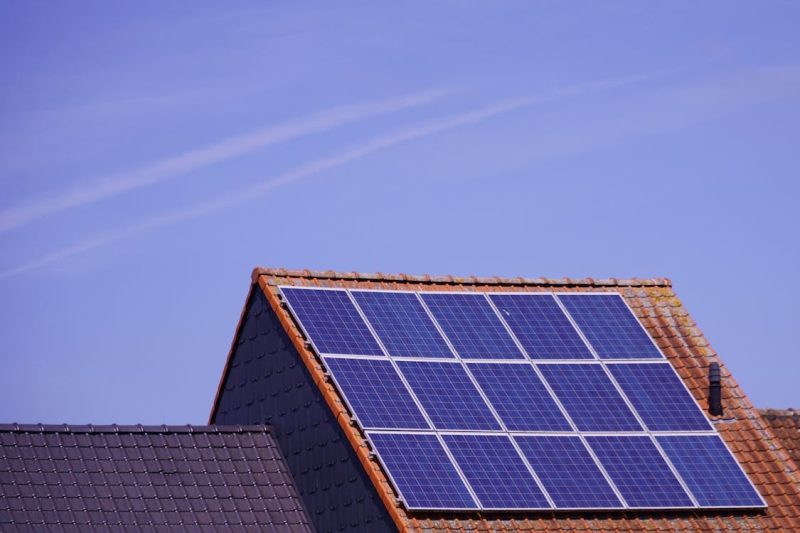
Queensland has become the most solar-saturated state in the country. More than a million rooftops across the state now carry panels, and the suburban roofline has changed accordingly.
The Clean Energy Council reported that Queensland added 326 megawatts of rooftop solar in the first half of 2025 alone, more than any other state, overtaking New South Wales on new installs for the first time.
The economics explain the rush. Electricity prices have climbed while panel costs have fallen, and battery rebates have pushed even more households to electrify.
What very few of those households think about is what happens to a panel after it has been on the roof for a couple of years.
The Output Most Owners Never Notice Losing
Solar panels work by letting light reach the cells. Anything that sits between the sun and the cell, dust, pollen, salt, bird droppings, or a film of grime, cuts the amount of energy the panel produces.
The loss is gradual, which is exactly why it goes unnoticed. A panel does not stop working when it gets dirty. It quietly produces a little less each month, and the owner rarely connects the slowly shrinking feed-in credit to the layer of muck on the glass.
Brisbane’s climate makes this worse than the brochures suggest. Pollen-heavy spring air, salt drift in bayside suburbs, and the residue left after the region’s frequent storms all settle on flat or low-angled panels.
Panels mounted at a shallow pitch are particularly prone to it, because rain alone does not run grime off a near-flat surface. It pools, dries, and bonds.
Over a large rooftop array, even a modest percentage loss adds up across a year, which undercuts the entire reason for installing the system in the first place.
Why Panels Are Not a DIY Job
The instinct, faced with a dirty panel, is to grab a hose or a brush and climb up. It is a genuinely bad idea on two counts.
The first is safety. Roof work is among the more dangerous things a homeowner can attempt, and wet panels on a pitched roof are slippery and unforgiving.
The second is the equipment itself. Panels have a coated surface, and abrasive scrubbing or harsh chemicals can scratch or etch the glass, permanently reducing performance and potentially voiding the warranty.
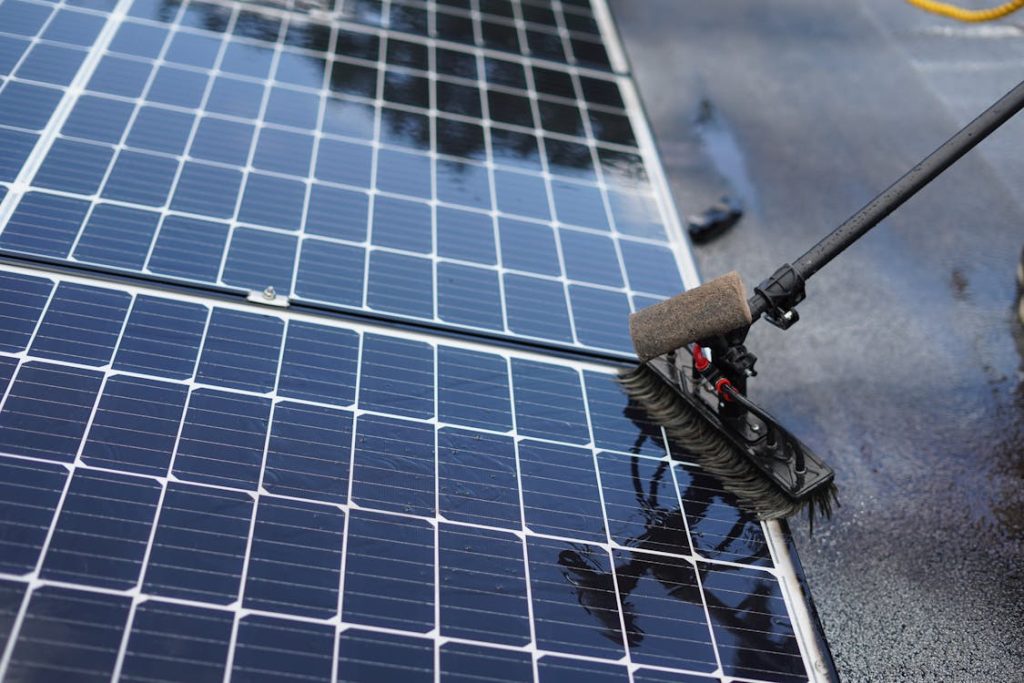
Specialist cleaning uses purified water and soft brushes, often delivered through pole systems that let the work happen from the ground. The purified water matters because it dries without leaving the mineral spots that ordinary tap water leaves behind.
Established operators such as Kleen Genie in Brisbane tend to fold panel cleaning into broader roof and exterior work, which makes sense given that the same access equipment reaches the gutters, the roof, and the array in one visit.
That bundling is part of why the service has grown alongside the solar boom rather than as a standalone niche.
A Maintenance Gap Built Into a Boom
The speed of Queensland’s solar uptake created a structural blind spot. Hundreds of thousands of systems went up in a few short years, sold almost entirely on installation and savings, with maintenance treated as an afterthought.
Most homeowners were never told their panels would need periodic cleaning, and many assume the rain handles it. For a steeply pitched array in a clean-air suburb, that assumption is roughly fine. For a low-pitched array near the coast or under heavy tree cover, it is not.
As the earliest systems from this boom age, that gap is widening. Owners chasing the savings they were promised are starting to look at the glass and ask why the numbers have drifted.
There is an environmental logic to it as well. A panel that produces at full capacity displaces more grid power, so keeping an array clean is not only a household saving but a small contribution to the clean-energy output the state is banking on.
Queensland built the rooftops. The quieter task of keeping them performing is only now catching up with the scale of what went up.