


Health savings accounts are one of the most underused tools in dental care financing, and the IRS made them slightly more useful in 2026. The agency set the annual HSA contribution limit for individuals at $4,400 and for families at $8,750 for the current tax year — increases from the 2025 limits that continue a multi-year trend of inflation-driven adjustments.
For patients who have been weighing a major dental investment and looking for the most tax-efficient way to fund it, those increases are not just a bureaucratic footnote. They change the math in ways that are worth understanding.
Full-mouth dental implants in Texas typically run between $15,000 and $40,000 depending on the scope of treatment, the condition of the patient’s bone, and the type of restoration involved. For most patients, that cost is not fully covered by dental insurance — insurers commonly apply annual maximums that cap reimbursement well below the total treatment cost, and many plans classify full-arch restorations as elective or cosmetic in ways that limit coverage further.
The result is that a significant portion of the cost falls to the patient. How that portion is funded has real financial consequences.
What an HSA Actually Does for a Major Dental Expense
An HSA works by allowing contributions made with pre-tax dollars, growing tax-free, and withdrawing tax-free when used for qualified medical or dental expenses. The dental expense list under IRS guidelines is broad — it includes dental implants, bone grafts, extractions, sedation, and the prosthetic restorations placed on top of implants.
For a patient funding a full-mouth case, an HSA can reduce the effective out-of-pocket cost by their marginal tax rate on every dollar contributed and spent through the account.
For a household in a combined federal and state effective tax rate of around 25 to 30 percent — not unusual for working professionals in the Austin metro area — the 2026 family contribution limit of $8,750 represents a potential tax savings of roughly $2,000 to $2,600 on that contribution alone.
For patients planning treatment over more than one calendar year, the ability to contribute in consecutive years compounds that benefit. A patient who contributes the family maximum in both 2026 and 2027 and directs those funds to implant treatment phases would be working with more than $17,000 in pre-tax dollars.
The 2026 limits, confirmed in IRS Revenue Procedure 2025-19, also include a catch-up provision: individuals aged 55 and older can contribute an additional $1,000 on top of the standard limit. For older adults — who represent a significant proportion of patients considering full-mouth restoration — that provision adds meaningful room.
How Texas Patients Are Using HSAs in Combination With Practice Financing
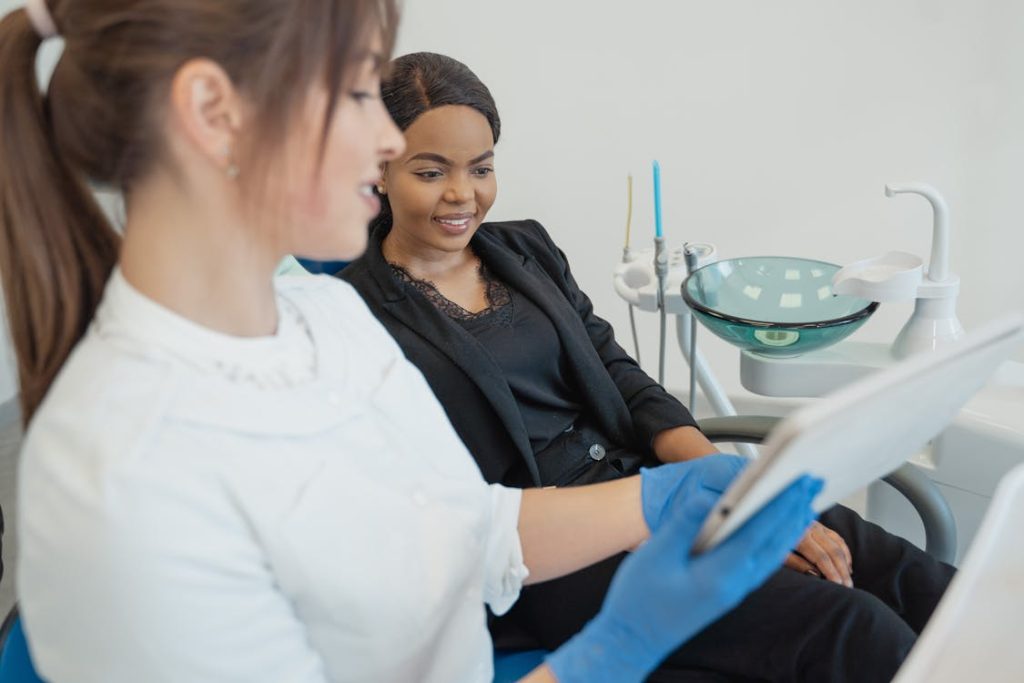
Few patients fund a major dental case entirely from a single source. The more common approach, particularly for full-mouth implant treatment in Texas suburban markets, is layered financing: HSA contributions cover one portion of the cost, third-party dental financing through options like CareCredit or LendingClub covers another, and in-house practice payment plans cover a third.
One important distinction: HSA funds can be used to pay off healthcare financing balances, as long as the underlying expense is qualified. A patient who places a full-mouth case on a dental financing plan during the promotional interest period and then draws down their HSA to pay the balance before interest accrues is using both tools in their most efficient form simultaneously. Many patients assume HSA funds can only be used at the time of service. That assumption leaves money on the table.
For patients in Hays County evaluating implant financing, the timing of treatment relative to the HSA contribution calendar is also worth considering. Contributions can generally be made up until the tax filing deadline of the following year — which for 2026 contributions means as late as April 2027 for most filers.
That flexibility allows patients who begin treatment in late 2026 to contribute retroactively and apply the tax benefit to costs already incurred. It is a detail that financial planners often know but that most dental patients have never been told by anyone in a clinical setting.
What Patients in Fast-Growing Texas Suburbs Should Ask Their Providers
Hays County’s rapid growth has brought a range of dental financing options to the market. Practices along the I-35 corridor in Kyle, Buda, and San Marcos increasingly offer in-house financing alongside third-party options, partly because the patient population — many of them recent arrivals from other Texas cities or from out of state — is actively seeking flexible payment structures.
The patients who get the most favorable terms are the ones who arrive at a consultation with a clear picture of their own financial situation and a specific set of questions. Knowing the 2026 HSA limits before walking in — knowing that $4,400 individually or $8,750 for a family is available in pre-tax dollars, and that those funds can be applied to implants, bone grafts, and sedation — changes the conversation from a passive estimate review to an active financing discussion.
The broader point is that major dental treatment in 2026 Texas is more financeable than it has ever been — not because the costs have fallen, but because the tools for managing them have gotten better. Patients who understand how those pieces fit together can often reduce the effective annual cost of treatment to a figure that, month by month, is manageable in a way that the headline total never appeared to be.