


Summers in Texas push temperatures into the extremes and put roofs under steady strain that is easy to overlook. Many homeowners watch the skies for storms while slow damage builds day after day on shingles and flashing.
Heat, sun and repeated warming and cooling can weaken materials in ways that show up months or years later. Spotting early signs and taking action can stretch the life of a roof and avoid costly repairs.
How Heat Harms Roofing Materials
Prolonged exposure to high temperature breaks down the binders in asphalt shingles and makes them brittle over time. Granules that protect the shingle surface are loosened by intense sun and wind, leaving the substrate exposed and vulnerable.
Instead of one dramatic event, damage often accumulates as small losses of protective material until leaks begin to form. Metal roofs can warp slightly and fasteners can loosen as panels expand and then shrink during cooler nights.
The Role Of Thermal Cycling And UV Exposure
Texas afternoons can fry a roof while evening drops the temperature by many degrees, creating a repeating cycle of expansion and contraction. This thermal cycling stresses nails, adhesives and flashing so that seams open and seals fail after many repetitions.
Ultraviolet radiation attacks chemical bonds in common roofing products, shortening expected service life in a way that rain alone does not explain. The result is a roof that looks intact from the street yet has lost much of its resistance to water and wind.
Common Signs That Heat Is Taking Its Toll
Curling or cupping shingles often starts at the edges when the internal mat loses cohesion as binders degrade. Stained ceilings, dark spots in the attic and light shining through small holes are all warning flags that the membrane has deteriorated.
If these warning signs keep showing up after repairs, a roofing contractor austin tx can inspect the roof and identify whether heat exposure is causing deeper structural issues.
Older roofs that were installed without adequate ventilation or reflective features are more likely to show these symptoms sooner. A professional roof check can reveal blistering, missing granules and soft spots that are not obvious from the ground.
Why Hail Gets All The Attention
Hail leaves dramatic dents and broken shingles, so it feels urgent and demands immediate repair attention. Noisy storms also create vivid memories that push homeowners to file claims and call contractors faster than slow, invisible wear.
Insurance policies are often written around catastrophic events, so hail claims have clear pathways that heat related aging does not follow. Roofs suffering from long term heat exposure present a different problem because the loss of material quality is gradual and harder to link to a single date.
Strategies To Protect Your Roof From Heat
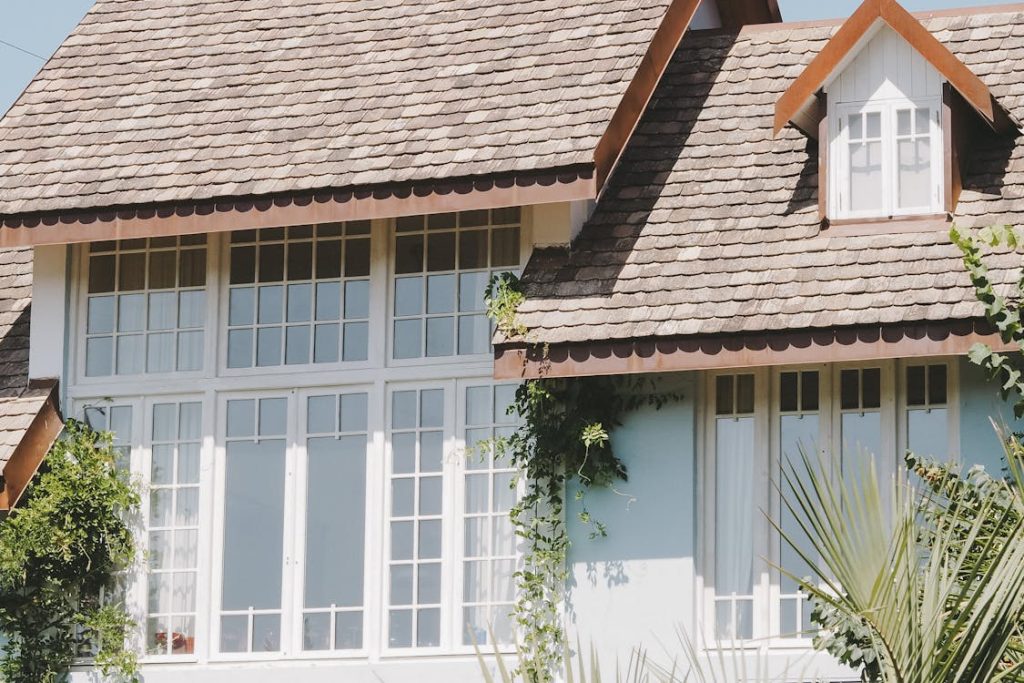
Start with reflective or lighter colored roofing products that bounce more sunlight away and lower surface temperature on hot days. Proper attic ventilation and good insulation prevent roofs from becoming heat traps and reduce the amplitude of temperature swings between day and night.
Routine inspections after very hot periods can catch early wear before leaks form and before secondary damage occurs inside the house. Small repairs, such as replacing missing granules or resealing flashing, often cost far less than a full replacement later on.
When To Call A Professional Roofer
If you notice widespread granule loss, significant curling or persistent attic moisture, schedule an inspection with a licensed roofer. A trained eye can distinguish between localized storm damage and systemic aging that will need a larger plan.
Professionals can also test attic ventilation rates and thermal performance, offering targeted fixes that extend service life. Ask for a clear report that lists urgent items and future risks so you have a practical path forward.
Insurance And Cost Questions For Heat Damage
Many homeowners assume insurance will cover roof wear that looks like a sudden failure, but policies usually focus on perils that cause abrupt damage. Heat related degradation is often categorized as normal wear and tear and may be excluded from coverage unless a specific weather event triggered a leak.
Keeping records of inspections, maintenance and upgrades such as reflective coatings strengthens a case when a claim is submitted after a related event. Budgeting for periodic maintenance often reduces total lifetime cost by preventing secondary damage that comes with water infiltration.
Upgrades That Make A Real Difference
Investing in roofing materials rated for high ultraviolet resistance and thermal stability pays off in climates that bake roofs every summer. Adding attic fans, improving insulation and installing radiant barriers slow heat transfer and reduce the stress that causes premature failure.
Simple upgrades like replacing old flashing and properly sealing roof penetrations protect vulnerable joints where water finds its way in first. Over time these improvements stack up, turning small interventions into meaningful savings and less hassle.
Heat is a steady, unflashy opponent that erodes roofing performance without drawing the drama of a storm. By recognizing early signs, selecting materials suited to intense sun and keeping up with preventive care, homeowners can push back against premature roof failure.
Practical action prevents many headaches and keeps a home drier and cooler through long, hot seasons.