



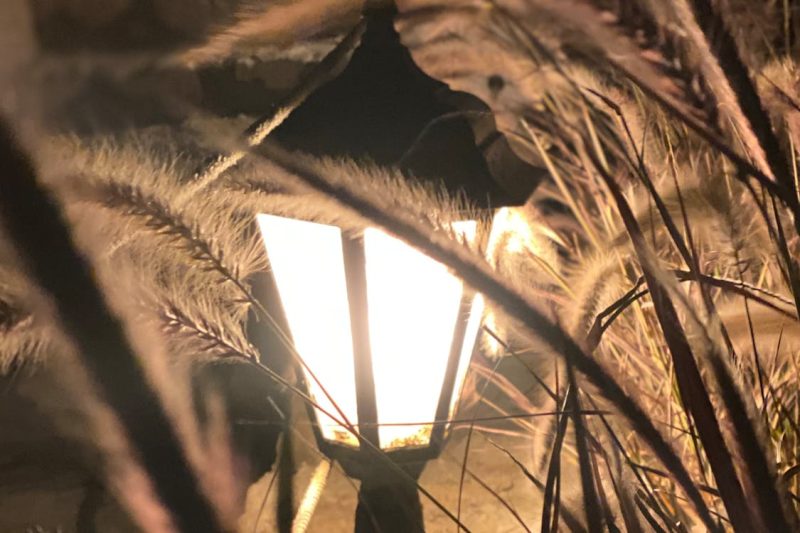
Outdoor lighting has a way of changing how a yard feels after sunset, adding usefulness and a touch of style without a heavy lift. A few well chosen moves can lift safety, set mood, and make evening tasks easier while keeping bills in check.
Most people get great results by planning zones, testing a couple of fittings, and tweaking placement until the scene feels right. The goal is to make the night easier to navigate and nicer to linger in.
Start With A Simple Plan
Begin by mapping the main zones you want to light such as the entry, paths, seating areas, and specimen plants so the work has structure instead of a scattershot look. Decide how bright each zone should be and what purpose the light serves whether that is clear wayfinding, gentle glow for dinner, or a sharper beam to reveal texture.
Set a modest budget and factor in a small reserve for switches, connectors, and a trial fixture or two so surprises feel manageable. Sketch a quick layout on paper or take photos at dusk to mark candidate positions and to note how existing trees and walls might shape the beams.
Choose The Right Fixtures
Match fixture type to task while keeping the home exterior style in mind; wall sconces, bollards, spotlights, and string lights all have distinct voices and uses. Low voltage is a popular choice for hands on installers because it reduces wiring complexity and runs cool while LED options cut power draw and last much longer than legacy bulbs.
Solar fixtures give total placement freedom with zero wiring though performance depends on good daylight exposure and battery quality. Try one fixture in place first and view it at night to confirm scale and spill before placing many identical units.
Embrace Layered Light
Think in layers where a general wash gives safe baseline visibility while task lights handle doors and steps and accents add sculptural interest to trees or walls. Layering creates depth so the scene reads as intentional rather than flat or overlit when darkness settles.
Combine broader beams for overall coverage with narrow beams for focused points and you will avoid competition between lights. A few small accents placed at different distances will knit the view together and help the eye move through the space.
Use Timers And Sensors
Automated switching cuts the chore out of nightly operation and keeps lights from burning when they are not needed; a modest control setup can work quietly for years. Photocells switch with ambient light so the system responds to sun position and cloud cover while motion sensors wake a light only when someone approaches the zone.
Timers let you align lighting with routines and special events without fiddling with knobs and create predictable run times that save energy. A tiny investment in controls often repays itself through lower consumption and less manual fuss.
Highlight Pathways And Steps
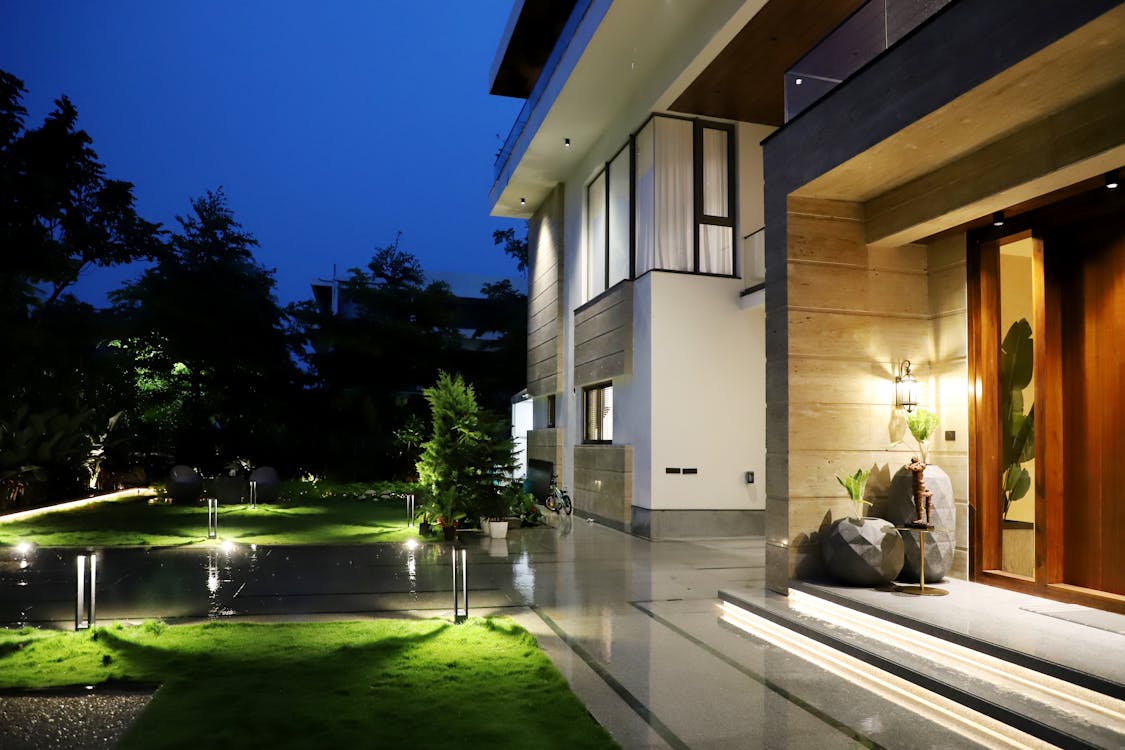
Pathway lighting is the single most useful addition for safety and visitor comfort because it prevents missteps and guides wayfinding after dark. Low mounted fixtures spaced to show the walking surface avoid blinding glare and keep attention on where feet land; step lights in risers or side mounted units work very well for multi level yards.
Tilt and aim path fixtures so the beam drops onto the ground instead of sweeping into eyes and neighbors windows. Choose warmer color temperatures for walking routes to feel welcoming and to render skin tones and natural finishes in a flattering way.
In larger properties, hard wired lighting in large backyard setups often provide the most reliable and evenly distributed coverage, especially where long runs and multiple zones need consistent output.
Accent Trees And Plants
Uplighting a tree from a modest distance reveals texture and scale and turns vertical elements into evening landmarks that anchor the yard composition. Place a fixture a little off axis and let branches or leaves interrupt the beam so light and shadow dance across trunks and foliage rather than producing a blunt, flat wash.
Grazing a textured trunk with low angled light highlights bark form while a soft wash on lower planting beds keeps the look cohesive from porch to garden edge. Revisit placements as plants grow and prune lightly when growth starts to eat the intended beam.
Create A Cozy Seating Area
Build a warm nook with multiple small sources so brightness is spread and not concentrated in a single, glaring spot; table lights, low posts, and uplights behind a bench can work in concert. Hang a string of modest bulbs high above a table for an informal ceiling and add a side lamp for reading or game play when company lingers after dinner.
Include a dimmer or multi level control so the group can shift from lively conversation to quiet reflection without changing fittings. Soft lighting combined with tactile comforts like cushions invites longer stays and often makes the space feel larger than it really is.
Maintain And Troubleshoot
A quick seasonal check preserves performance and avoids dead zones that creep in as bulbs age, lenses cloud, or vegetation encroaches on beams. Wipe lenses clean, tighten loose fittings, and look for corrosion at connectors especially in salty or humid climates so small fixes do not become expensive repairs.
Replace bulbs at the first hint of color shift to keep hue consistent across fixtures and label circuits so the next visit to the panel is faster and less guesswork. Keep a few spare bulbs and the correct silicone grease for thread seals on hand to speed simple repairs and to keep moisture out.
Play With Color And Temperature
Color temperature steers mood with surprisingly little fuss so match the light tone to activity and material; warmer white favors outdoor living spaces while cooler white can crisp up metal or stone facades. Introducing subtle color with RGB or color tunable units works well for occasional events and lends a playful option without permanent change.
Be sparing with saturated colors to avoid a carnival feel; strategic washes or single feature highlights read as thoughtful rather than loud. When in doubt choose a neutral white and add color only where it feels like a deliberate accent.
Safety And Local Rules
Local codes and homeowners association rules sometimes require specific fittings, spacing, or rated products so check local requirements before buying large quantities or burying cable. If mains voltage is in play or the wiring route crosses patios and wet locations hire a licensed electrician to keep installations compliant and safe.
Labeling circuits and keeping a simple diagram of the system reduces headaches when a bulb fails or a line trips at the breaker. Small planning choices early on save time and worry later and help the final setup feel like an integrated part of the property.