




Spring 2026 has brought an unusual problem to HVAC contractors across southwestern Ontario: they’re turning away work. Installation backlogs that once stretched days are now measured in weeks, and for homeowners in London, Strathroy, and surrounding communities, getting a new air conditioning system installed before summer heat arrives has become a race against the calendar.
The bottleneck isn’t equipment availability — manufacturers have kept pace with demand. The constraint is skilled labor. HVAC companies are struggling to hire and train technicians fast enough to handle a surge in system replacements driven by multiple converging factors: aging housing stock, government rebate programs with expiration deadlines, and a growing preference for whole-home climate control upgrades rather than piecemeal repairs.
According to industry analysis from Aire One KW, HVAC companies are now managing customer communication and service requests with AI-driven tools just to keep up with demand. These solutions help prioritize urgent service calls, but they don’t solve the fundamental capacity problem: there aren’t enough trained installers to meet current demand, and the gap is widening.
For homeowners who need central air installation London ON, the extended wait times are forcing difficult decisions. Do they schedule now for mid-June installation and endure weeks of heat with a failing system? Or do they gamble on a last-minute cancellation slot opening up? Contractors report that customers are increasingly choosing the former, accepting wait times they would have rejected outright in previous years.
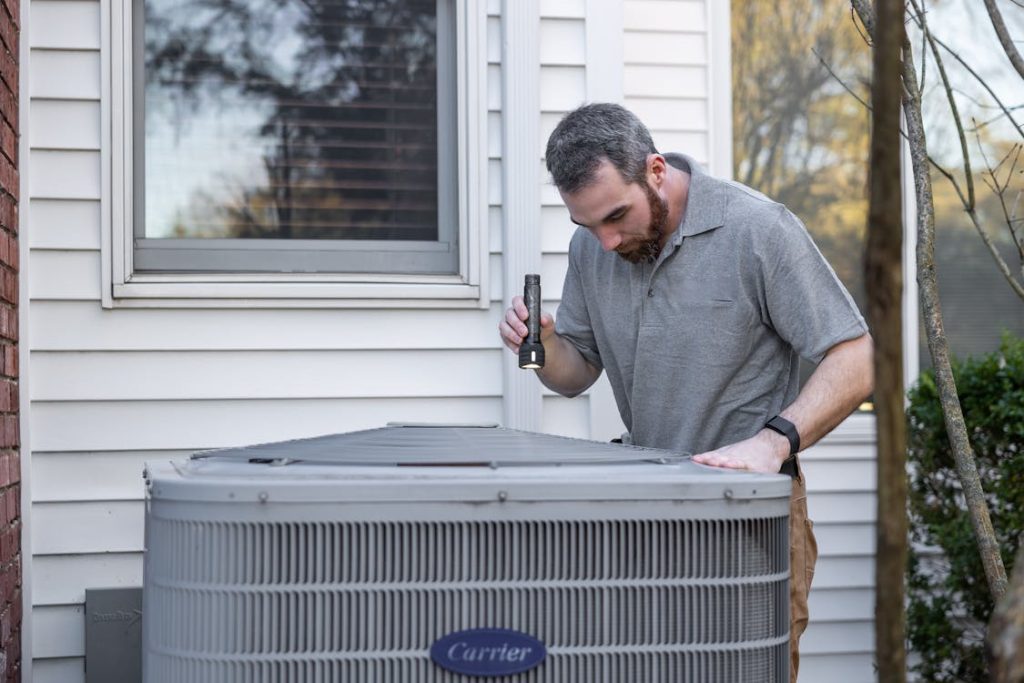
The skills gap is particularly acute for heat pump installations, which require more technical expertise than traditional split systems. An AC replacement that might have taken a two-person crew six hours a decade ago now often involves electrical service upgrades, smart thermostat integration, and ductwork modifications that push the job into multi-day territory. Those complications eat into scheduling capacity and make it harder for companies to predict how many installations they can realistically complete in a given week.
Supply chain issues have eased since the pandemic disruptions of 2020-2022, but they haven’t disappeared entirely. Specialized components like high-efficiency compressors and smart control boards still experience sporadic delays, particularly for premium equipment. Contractors are building buffer time into their installation schedules to account for parts availability uncertainties, which further compresses how many jobs they can commit to.
The financial implications are significant for both homeowners and contractors. For homeowners, the cost of waiting isn’t just discomfort — it’s utility bills. Running an inefficient, failing AC unit for weeks because a replacement install is backlogged can add hundreds of dollars in unnecessary electricity costs. For contractors, the inability to accept all incoming work represents lost revenue in a high-demand season that typically drives annual profitability.
Some companies are responding by expanding their service areas to balance workload, but that creates its own challenges. Travel time between job sites in rural areas around London eats into productive hours, and technicians assigned to distant calls may not be available for emergency service callbacks closer to the main service territory. The tradeoffs are real, and there’s no perfect solution that satisfies both capacity constraints and customer service standards.
Government rebate programs, while beneficial for adoption rates, are exacerbating the scheduling crunch. Homeowners who might have delayed an HVAC upgrade are pulling those projects forward to capture incentives before deadlines expire. That creates demand spikes that overwhelm contractor capacity in specific windows, then leave them scrambling for work during slower periods. The cyclical nature of rebate-driven demand makes workforce planning nearly impossible.
Looking ahead, the labor shortage isn’t likely to resolve quickly. Trade schools are producing HVAC graduates, but the numbers aren’t keeping pace with retirements and industry growth. For homeowners planning installations in the next few years, the message from contractors is clear: book early, be flexible on timing, and expect longer waits than you would have encountered even two years ago. The busy season isn’t just summer anymore — it’s spring through fall, with winter the only reliable downtime.
For London-area residents, the practical takeaway is straightforward: if your AC unit is showing signs of age, don’t wait for a failure to start shopping for replacement. By the time a system dies completely in mid-July, the soonest available installation slot may be weeks away. Planning ahead has always been smart; in 2026, it’s become essential.