



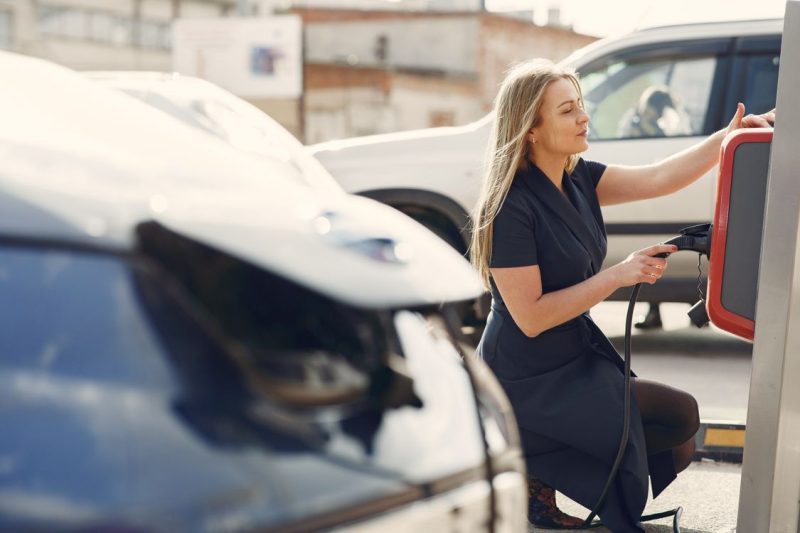
For years the advice to families thinking about an electric car was basically: wait. Wait for prices to drop, for range to improve, for a second-hand market to exist at all.
That waiting period looks over, and the numbers are more decisive than the general conversation suggests.
What the First Quarter Showed
The used car market overall was flat between January and March, dipping 0.2 per cent to just over two million transactions and ending a twelve-quarter run of growth.
Underneath that flat headline, something more interesting. Battery electric transactions grew by 32.0% to 86,943 units, meaning roughly one in twenty-three buyers went fully electric, up from about one in thirty a year earlier.
Hybrids rose 27.6 per cent to 128,039 units. Together, electrified vehicles made up 11.7 per cent of used cars changing hands.
Plug-in hybrids were the exception, falling 8.9 per cent, which is a useful signal on its own. Buyers seem to be sorting into full hybrids on one side and full electric on the other, with the compromise option losing ground.
Petrol still dominates at 57 per cent and will for years. But the direction is clear, and it’s supply finally arriving rather than any sudden change of heart.
The Ageing Fleet Explains a Lot
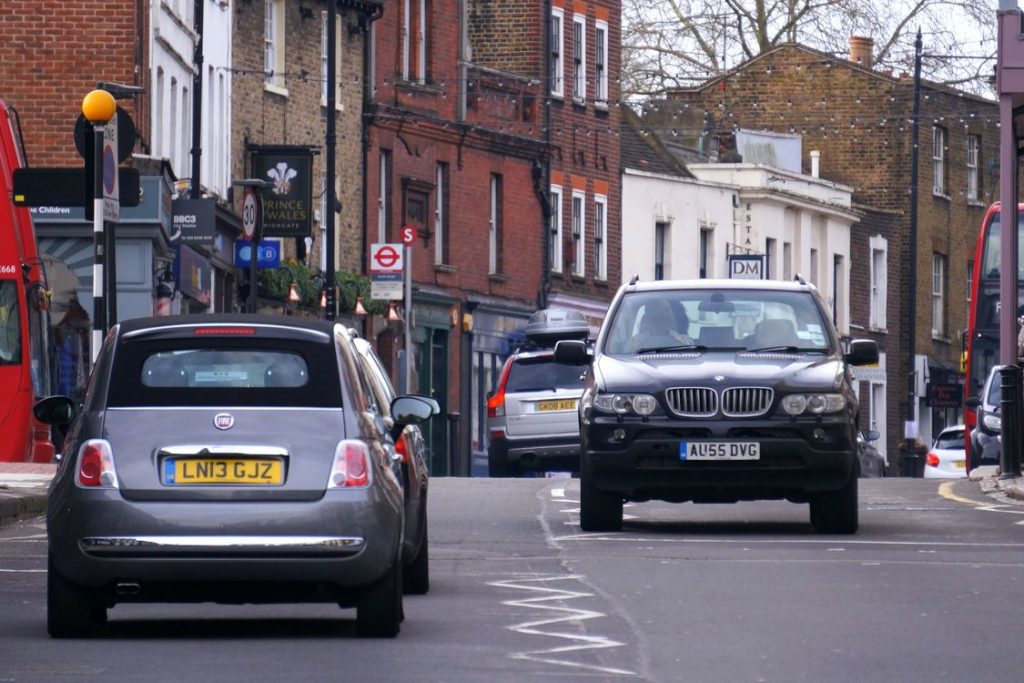
Sitting in the same data is a figure that says more about family buying than the EV numbers do.
The average car on British roads is now 9.7 years old, up from eight years in 2019. People are keeping cars substantially longer.
For a family, a nine-year-old car is usually one that’s outlasted the circumstances it was bought for. It was chosen before a second child, before the school run moved, before somebody changed jobs and started commuting the other way.
So the used EV surge isn’t really a story about environmental preference. It’s a large group of households hitting a replacement decision at the same moment a genuine second-hand electric market finally exists. Three years ago a family reaching that point had almost nothing to choose from. Now there’s real choice across segments as the 2021 to 2023 registrations cycle through.
The Search Itself Works Differently
Shopping for a used electric family car isn’t the same exercise as shopping for a used petrol one, in ways that catch people out.
Battery health matters more than mileage, and the GVA listings at the top of a Google search won’t tell you. Two identical cars with identical mileage can have meaningfully different usable range depending on how they were charged.
Charging arrangements decide whether the whole thing works. A household with off-street parking is in a completely different financial position from one without, and no amount of comparing purchase prices changes that.
Boot space behaves oddly too. Electric platforms sometimes give you more usable room than the exterior suggests, sometimes considerably less once battery packaging is accounted for. The old rule about car size predicting boot size isn’t reliable here.
Superminis and lower-medium cars still dominate, at around 59 per cent of transactions between them, but dual-purpose vehicles grew fastest at 5.4 per cent. That’s where a lot of family buyers are landing.
The Supply Question Nobody Controls
One caveat worth stating plainly, because it affects how long this window stays open.
Used supply depends entirely on what got registered new three to five years earlier. Every second-hand electric car on sale today exists because somebody bought it new during a period of strong incentives.
The industry outlook expects the new car market to rise 3.6 per cent this year, but the battery electric share forecast was cut to 26.8 per cent from 28.5 per cent after a weak first quarter.
SMMT chief executive Mike Hawes has been direct about what that means, saying every fiscal and policy lever needs pulling to keep a healthy new car market feeding zero emission vehicles into the used market later.
For anyone buying now this is mostly reassuring, since current choice reflects registrations already made. But it does mean ever-improving used EV availability isn’t automatic. It depends on decisions being made in showrooms this month about cars that won’t reach the second-hand market until 2030.