



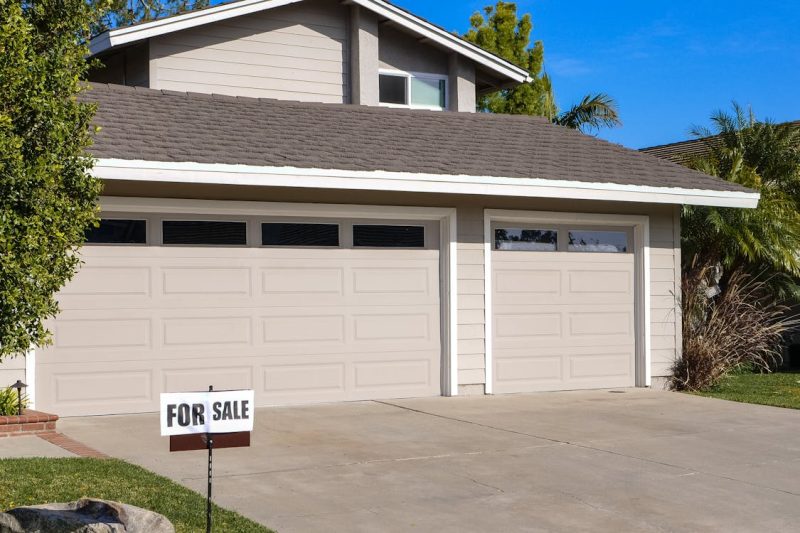
Buying or selling a home can stall for reasons you might not expect, and pest problems rank high among those hidden snags. Visible infestation or evidence of long term damage often prompts extra investigation, which can push a closing date out by days or weeks.
Agents, lenders and buyers respond to reports about rodents, termites or wood decay in different ways, and that mix of reactions creates friction in the timetable. To avoid delays and ensure your inspection is thorough, visit https://houseflybuildingandpest.com.au/ for professional building and pest services.
How Pest Problems Interrupt Transactions
A standard inspection that flags active infestation or signs of structural harm typically triggers additional scrutiny from both sides, and that attention slows the rhythm of a sale.
Buyers often hesitate when a report lists chewed wiring, hollowed support pieces, droppings or nests because these items change the risk profile of the property and introduce unknown repair costs.
Lender underwriters sometimes pause conditional approvals until they receive proof that the issue has been treated and that structural integrity is intact, which adds time to a tight calendar. Local boards or municipal regulators can also weigh in, requesting formal remediation documentation that creates more paperwork and potential delay.
The Role Of Inspection Reports

Inspection reports parse evidence into categories such as active infestation, past damage, and areas needing specialist follow up, and that clarity shapes negotiations.
A brief note that an inspector wants a pest control specialist or a structural engineer to evaluate a particular area often starts a chain of appointments and written follow up, and scheduling those experts takes time.
Reports that recommend further testing or cutting open plaster to view framing create a pause while the buyer considers risk and the seller assesses options. Sellers who disclose known issues up front tend to have fewer surprises, because a transparent file leads to more targeted talks instead of a last minute scramble.
Financing And Lender Requirements
Lenders protect collateral and will ask for evidence that a property will retain value, which can make pest issues a financing stumbling block. If an appraiser flags compromised joists, termite damage or other forms of rot, the loan officer can suspend approval pending repair or a clearance report from a licensed technician.
A clearance certificate typically satisfies underwriting concerns, but obtaining that document involves treatment, follow up inspection and formal paperwork that take days or even weeks. Cash buyers skip lender hoops but they still pause when a glaring infestation appears, since no one likes surprises once an offer is on the line.
Legal And Disclosure Obligations
Many states and regions have explicit rules that require sellers to disclose known pest damage that affects livability or value, and those rules shape the bargaining table. Failing to report a long standing problem can expose a seller to post closing claims, which in turn shifts how firm offers are and who takes on the risk during escrow.
Title companies and insurers sometimes flag properties with unresolved wood destroying organism work and will ask for completed repairs or policy exceptions before they clear a file. Resolving disclosure disputes often becomes a negotiation about money, timing and acceptable proof of remediation, which stretches the timeline.
Treatment Timing And Scheduling
Scheduling extermination and repair work is more than a phone call because many effective treatments require several steps, follow up visits and coordination among contractors. Some methods call for vacating the property for one or several days, which halts open houses, private showings and any chance of same day closings while work is underway.
A clean bill from a licensed operator, often in the form of a written clearance, is commonly required before a lender will release funds or a buyer will sign final papers. When structural repairs are necessary after treatment, replacing beams or insulation typically takes longer than a simple spray and that additional work pushes dates further out.
Negotiation And Price Adjustments
When evidence of pests appears many buyers request a credit at closing, a reduction in price or an escrow holdback until remediation is complete, and these options all change how a deal is written.
Sellers weigh offers with repair contingencies against their need to move the property quickly, and some elect to accept a lower net return rather than lose the sale entirely.
Escrow holdbacks offer a middle ground where a portion of proceeds is reserved until proof of repair arrives, but that path creates extra documentation and follow up inspections. Each negotiated tweak adds time and administrative steps, and the collective result is a longer route to handing over keys.
Market Conditions And Timing Effects
In a hot market buyers often waive minor contingencies to secure a home, which reduces the chance that a small pest finding will derail a closing, and in that context sellers have more leverage.
When demand cools a single negative finding can prompt a buyer to withdraw or push hard on price, lengthening the listing period and complicating scheduling for any required work.
Seasonal rhythms matter too because some pests become more active at certain times of year, which raises the odds that inspections will find something that requires action. Planning a sale outside peak pest times can help, but many sellers must balance timing with other pressures that cannot be moved.
Preventive Steps Sellers Can Take
A pre listing inspection gives sellers a chance to catch and treat issues early, present certificates and create a cleaner file that reduces surprise demands from buyers and lenders.
Completing recommended work and keeping receipts, warranties and clearance letters organized makes the property appear less risky and improves bargaining position when offers arrive.
Simple measures such as sealing entry points, trimming vegetation away from the foundation and keeping crawlspaces dry discourage pests and show prospective buyers that the seller has been proactive rather than reactive.
Honest communication with agents and potential buyers about what has been done prevents problems from being swept under the rug and builds trust at a time when credibility counts most.