



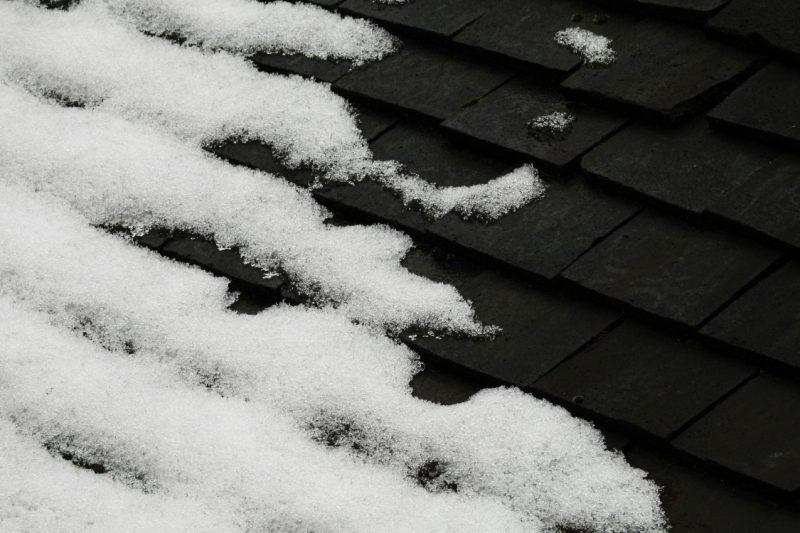
Hail season changes the way homeowners evaluate roofing reviews because a storm can bring a large number of contractors and customers into the market at the same time.
Statewide hail-claim data supports the scale of the demand surge. It does not, by itself, prove that Austin review counts spike in the week after every storm.
The Claims Data Behind the Post-Storm Scrutiny
Texas is not an occasional entrant on national hail damage lists. State Farm, the largest home insurer operating in the state, disclosed that it paid out $1.4 billion in Texas hail claims in 2025 alone, the single largest state total in its nationwide $5.6 billion hail payout for the year.
That figure comes from one insurer, covering roughly a fifth of the state’s insured homes, which means the true statewide total across every carrier runs considerably higher. It also puts Texas well ahead of the next states on State Farm’s list, Missouri, Illinois, Wisconsin, and Oklahoma.
Central Texas, including the Austin metro, sits squarely inside the corridor that produces this volume year after year. When a hailstorm tracks through a specific set of zip codes, it does not create isolated incidents. It creates a large cluster of homeowners who all need a roof inspection at roughly the same time.
That scale is not a one-year anomaly, either. Texas has landed at or near the top of national hail-loss rankings for over a decade running, which points to a structural feature of the state’s weather rather than a single bad season that happened to make headlines.
That structural pattern explains why review timing is worth looking at after a storm. A concentrated period of roofing activity can naturally produce a concentration of recent customer feedback.
Storm-driven roofing demand arrives in bursts, which makes recent reviews especially visible when homeowners are comparing companies under time pressure.
Why a Storm Date Can Compress Contractor Activity
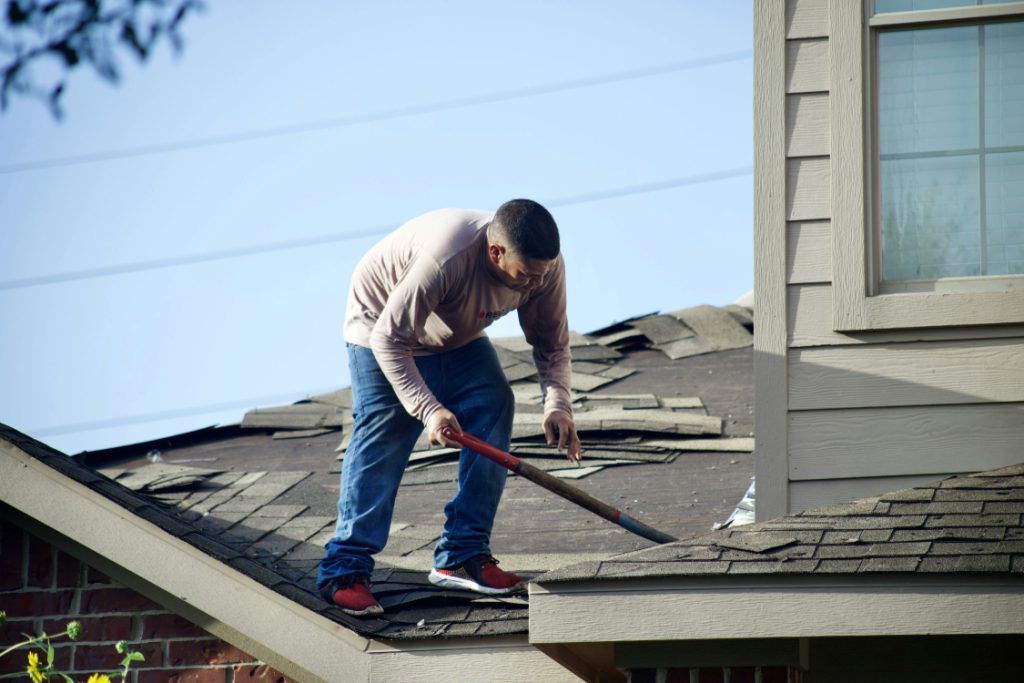
Ordinary home repairs happen on individualized timelines. A water heater fails on its own schedule, and a kitchen renovation starts whenever a family decides it’s time.
Hail damage does not work that way. A storm hits a defined geographic path on a specific date, and every home under that path becomes a prospective roofing customer within the same narrow window.
A storm synchronizes inspections and repairs across a defined area. That can produce clusters of customer activity, but the timing of reviews will vary with claim approval, scheduling, and whether a homeowner chooses to post one at all.
Review dates can still provide context when compared with the company’s longer history.
Insurance claim timelines vary widely, so there is no single storm-to-review schedule that applies to every straightforward roof claim.
The useful pattern is broader: a severe storm creates a concentrated period of contractor activity, and homeowners should read recent reviews in that context.
What Review Timing Can and Cannot Tell You
A long history of detailed reviews across multiple years can help demonstrate continuity. A sudden cluster of reviews is not automatically suspicious, especially after a real storm.
The content of those reviews matters more than the clustering alone: specific descriptions of communication, cleanup, scheduling, warranty handling, and workmanship are more useful than generic praise. Reviews for an Austin roofing company are more useful when they show a history across multiple seasons rather than only a single burst after one storm.
The distinction matters most in a market like Austin, where hail activity is frequent enough that established local companies accumulate reviews across many separate storms over the years. A multi-year, multi-storm review history is a different signal than a single post-storm surge, even when both show a similar overall star rating.
Reading review timing alongside review content, rather than the star rating alone, gives homeowners a clearer picture of whether a company is built for the long term or just for one hail season.
Review dates are also useful for cross-checking a company’s claimed history against its actual activity. A business that says it has served Central Texas for a decade but shows almost no review activity outside the last hail cycle or two is worth a second look.
A post-storm review is not less trustworthy simply because it is recent. Timing is one context clue among many, not a fraud detector.