



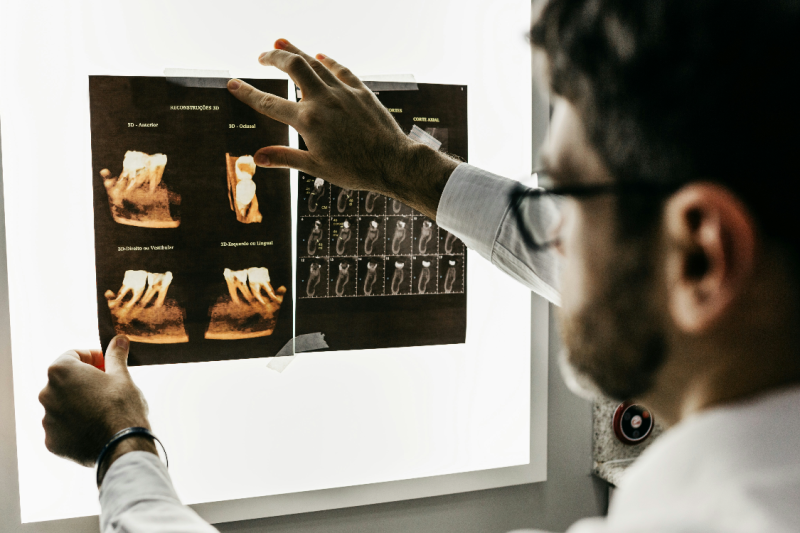
Radiology departments run on a mix of clinical detail and logistical muscle, and two systems often take center stage in that performance. RIS stands for Radiology Information System and coordinates scheduling, reporting and the administrative side of imaging services.
PACS stands for Picture Archiving and Communication System and focuses on storing and displaying the images themselves. Knowing how the two differ helps teams assign responsibility and pick tools that fit their workflows without second guessing.
1. Purpose And Scope
RIS is built to manage patient flow and the paperwork around imaging studies, working like a nerve center for appointments, orders and final reports. The system tracks who is scheduled when, which studies are required, and keeps a trail of reporting and billing events that tie imaging into the wider hospital process.
PACS, on the other hand, exists to capture, store and present digital images, providing radiologists with the viewing tools and image manipulation needed to reach a diagnosis. While both systems touch patient care, RIS tends to govern the operational side while PACS concentrates on the visual and data heavy side.
In smaller hospitals, clarifying the imaging tech stack helps clinicians and administrators understand dependencies before adding new modalities or viewers.
RIS tends to be tightly connected to administrative processes and often interacts with hospital information systems to help manage encounters and charge capture. Because it contains scheduling details and narrative reports it becomes a hub for clerical and clinical coordination across departments.
PACS is more of a technical repository where large image files are kept, retrieved and transmitted with attention to display fidelity and speed. This division of labor means that healthcare teams usually rely on both systems to complete a single imaging exam from order to final read.
2. Core Data Types And Workflow Focus
RIS primarily houses structured text such as orders, patient demographics, scheduling entries and narrative radiology reports that clinicians read and act upon. The emphasis lies on forms, codes and timestamps that make it possible to run a tight ship when dozens of studies are queued each day.
PACS deals with heavy media files in formats that preserve pixel detail and metadata about acquisition parameters, resolution and modality specifics. Its workflow is optimized for rapid retrieval, multiuser viewing and image post processing rather than text search or billing tasks.
Workflows differ in rhythm and tools as a result of the data types each system manages; RIS users expect lists, check boxes and status flags that help move patients through the process. PACS users want image stacks, synchronized scrolling and easy comparison across series, with plenty of viewers that support measurements.
When an imaging study completes the RIS updates the exam status and triggers report workflows that bring a radiologist into the loop. At that point PACS delivers the images, while RIS manages the clerical and documentation steps that cement the episode in the medical record.
3. Integration With Other Systems

Integration needs vary because RIS and PACS speak different technical languages and satisfy diverse clinical requirements within a hospital ecosystem. RIS often plugs into electronic health records and billing systems to keep administrative and clinical records aligned, providing the glue that links orders to invoices and charts.
PACS must be able to exchange large image sets with modality equipment, viewers and archives, and is frequently required to support standards that move imaging data reliably across vendors. Successful projects treat both systems as pieces of a larger puzzle that must handshake cleanly, otherwise workflow friction shows up in lost time and errors.
Interfaces are not identical; RIS typically uses protocols and message formats that prioritize data integrity for appointments and reports, while PACS works with image transport standards and compression techniques that focus on speed and visual quality.
Implementations therefore require careful planning to ensure patient identifiers remain consistent and that studies are not orphaned in either system.
Teams often create middleware or integration services to translate messages and reconcile differences so clinicians enjoy a smoother experience. When integration works well clinical teams get a single coherent process, even though many technical components are moving behind the scenes.
4. User Roles And Access Controls
User expectations shape how RIS and PACS implement access control, interface complexity and reporting features for different professional groups. Radiologists want a PACS that supports multiscreen layouts, hanging protocols and advanced tools for measurement so they can read efficiently and make nuanced calls.
Technologists and schedulers tend to spend most of their time in RIS where appointment management, protocol selection and order entry are the daily grind. That separation mirrors task focus and means training and permissions are tuned to role specific needs rather than a one size fits all approach.
Security and audit trails matter across both systems but are expressed in different ways based on function and risk profiles within clinical operations. PACS must protect large volumes of images and ensure proper de identification when datasets leave the institution for research or consultation.
RIS must track who edited a report and maintain a record of order fulfillment and billing activities so that administrative accountability is clear. Access controls therefore get tailored to minimize mistakes and limit exposure while letting clinicians do what they need without needless red tape.
5. Storage Retention And Scalability
Storage considerations can make or break an imaging program because once open systems begin collecting high resolution studies the volume grows fast and prices climb. PACS storage requirements are heavy due to series and frames across multiple modalities where each study can easily be tens or hundreds of megabytes.
RIS data needs far less space by comparison, because text and small documents compress easily and the storage profile is mostly small entries that accumulate over time. Planning for growth means thinking beyond immediate costs to retrieval speed, backup policies and the potential for cloud tiering as the archive ages.
Scalability strategies vary with operational goals and available budget; some sites keep recent studies on fast local disks and move older material to slower economical storage so clinicians still get timely access for recent work. Others adopt hybrid models that keep critical series in fast caches while archiving full datasets to remote repositories for disaster resilience.
RIS scalability is less dramatic but no less important since a corrupted schedule table or missing reports can stall operations faster than a slow archive. Thoughtful design around retention policies, migration and disaster recovery saves headaches and pays off in fewer interruptions when demand spikes.