


Installing an off peak hot water storage system can change the way a household uses energy and manages daily routines. It stores heat when electricity is cheaper and releases it when demand climbs, so the bill can be kinder to your wallet.
The approach can ease pressure on the electricity network and sync well with periods of high renewable output. Many people find that the small step of adding a storage cylinder pays off in comfort and long term savings.
1. Lower Energy Bills
Moving water heating to times when tariffs are lower means the same amount of hot water costs less to create. Households that shift most of their electric heating to off peak hours often see a steady fall in their monthly energy outlay.
The math is simple and plain to see when a smaller slice of daily consumption is billed at a reduced rate. Over a year, those savings add up in a way that warms both the home and the pocket.
The predictability of stored hot water helps smooth out surprise spikes in costs on chilly mornings or when everyone wants to shower at once.
If you’d like a clearer breakdown of how to get the most from these systems, you may want to check out this guide by All Kind Gas & Plumbing. With a buffer tank doing the heavy lifting, the demand on expensive daytime electricity drops and bills become easier to forecast.
That kind of steadiness is worth more than its face value, because it makes budgeting less of a guessing game. People like the confidence of knowing a piping hot shower will not send costs soaring.
2. Improved Energy Efficiency
Using storage to aggregate heat generation into fewer running cycles reduces waste from short starts and stops. When an electric element runs for longer balanced periods, the equipment operates closer to peak efficiency and loses less energy than when it flickers on and off many times.
The system becomes a simple way to tame inefficiency in everyday routines without asking occupants to change their habits much. It is a pragmatic step that often repays itself by trimming needless consumption.
A well insulated storage vessel holds heat where it belongs until needed, so recovery energy is required less often. Quality insulation and proper installation cut standby losses and extend the effective life of the stored energy.
That quiet performance is like having a reliable teammate who takes care of chores behind the scenes. Over time, fewer reheat cycles translate into lower cumulative energy use.
3. Load Shifting And Grid Support
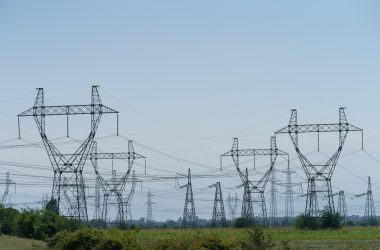
Shifting water heating demand into off peak windows eases pressure on the grid when lots of people are using electricity at once. When many homes push their heating to night hours, the peak during daytime becomes gentler and the network can breathe more easily.
Grid operators welcome predictable patterns that reduce the chance of strain and the need for costly balancing actions. In effect, a storage cylinder can play a small part in keeping the wider energy system stable.
There are practical advantages beyond network health, because some suppliers reward customers who use energy at quiet times with cheaper tariffs or credits. Households that lean into those windows can tap lower rates and sometimes get paid to be flexible.
That creates a two fold benefit of saving money and helping the collective supply chain work smoothly. It is a classic win win where personal gain aligns with public good.
4. Greater Hot Water Reliability
A storage system offers a buffer when supply is variable or when demand spikes unexpectedly, so running out becomes less likely. The tank stands ready with thermal reserves that smooth the peaks of morning routines or evening chores that require hot water.
For families with small children or people who prefer long showers, that reliability brings peace of mind and fewer compromises. It feels good to know that the hot tap will answer when called.
Maintenance routines are straightforward and often familiar to engineers who service traditional boilers and cylinders. Routine checks and the occasional flush keep the vessel in good nick and maintain flow and cleanliness.
Because the technology is mature, finding help and spare parts is rarely a wild goose chase. That accessibility reduces friction and keeps the system doing its job without drama.
5. Environmental Benefits And Reduced Emissions
Using cheap off peak electricity can line up with times when renewable output is strong, such as overnight wind generation in many regions. When stored heat displaces fossil fuel alternatives for water heating, the household carbon footprint shrinks and cleaner sources get used more effectively.
The result is a modest but real contribution to lowering emissions from everyday living. Small shifts in many homes add up to a noticeable drop in system wide pollution.
Replacing or supplementing gas fired water heating with electric storage where electricity is greener brings an added advantage over the long haul. The grid itself is getting cleaner as more renewables come online, so an electric storage approach tends to get better with time.
Choosing storage now can be a forward looking move that aligns personal habits with broader environmental trends. For many people, it makes sense to act where the benefits stack up.